When the weather heats up or you’re craving something refreshing, a frozen drink machine can transform your kitchen into your own personal beverage bar. The Ninja SLUSHi represents one approach to solving the perennial desire for quick, convenient frozen treats without needing multiple appliances cluttering your counter space. This guide explores what this particular machine offers, how it works, and what you should think about if you’re considering adding one to your home.
What Is the Ninja SLUSHi?
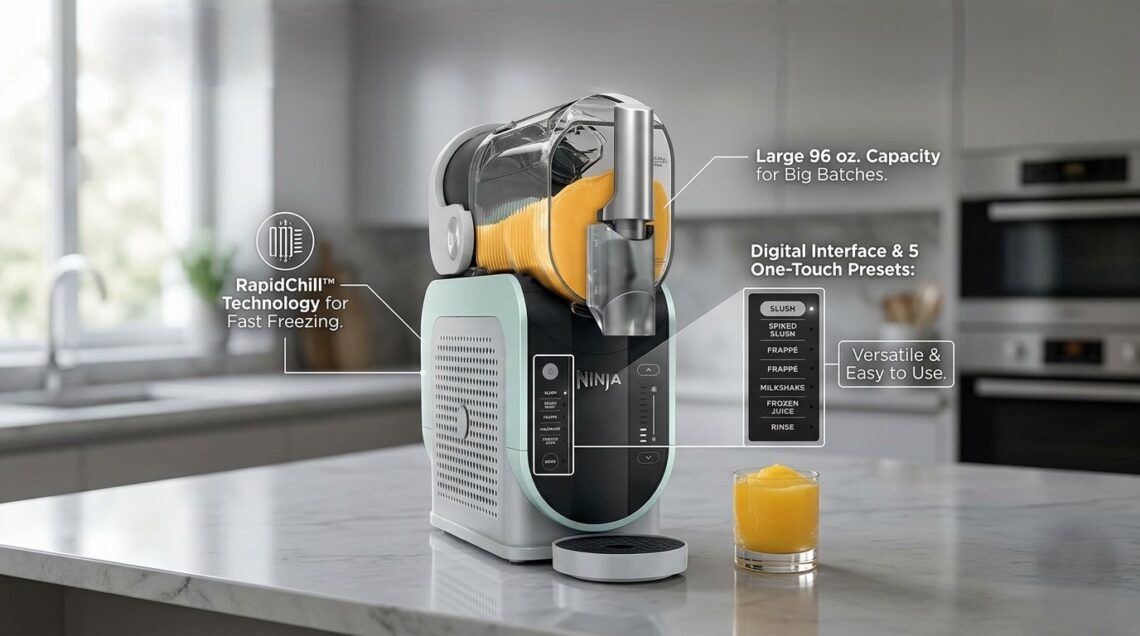
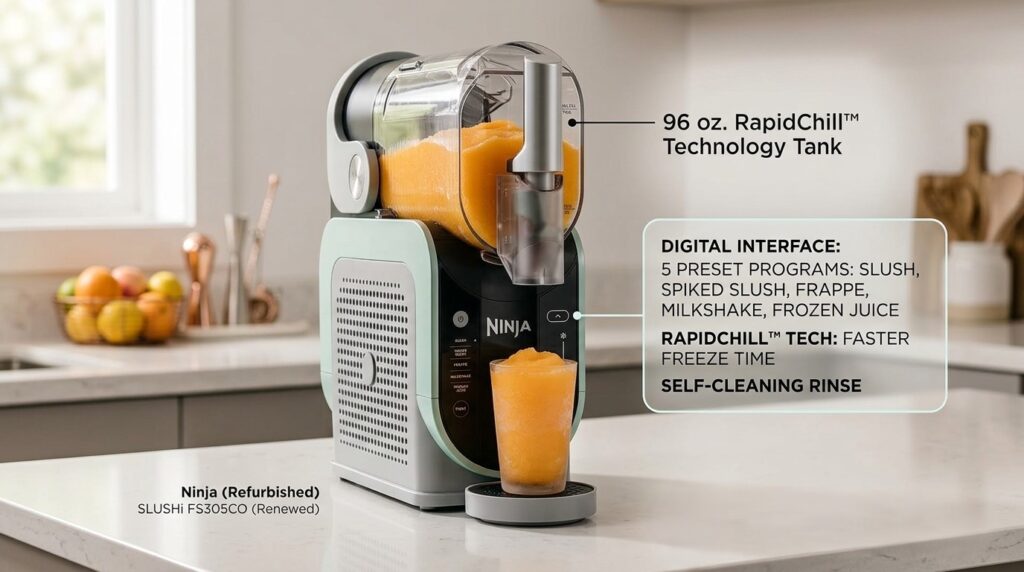
The Ninja SLUSHi is a specialized kitchen appliance designed to create frozen beverages quickly using a technology called RapidChill. Unlike traditional blenders that require pre-frozen ingredients or ice, this machine operates on a different principle—it chills and churns liquid simultaneously to produce slushy and frozen drinks. The unit features a 96-ounce capacity, which is substantial enough to handle batches for multiple people or fill a couple of glasses generously.
The particular model we’re discussing (FS305CO) comes in a refurbished or renewed condition. In the context of appliance purchasing, refurbished typically means the item was either returned, used as a display model, or had a minor defect that was corrected by the manufacturer. These renewed units undergo quality checks before resale, though they’re sold at a lower cost than new appliances. This distinction is important for setting proper expectations about condition and warranty coverage.
Key Features Explained
RapidChill Technology
The core technology distinguishing this machine from standard blenders is how it handles the freezing process. Rather than requiring you to freeze ingredients beforehand, RapidChill works by cooling liquid as it churns. This approach means you can pour in regular-temperature liquid and achieve a frozen result within minutes. Understanding this helps explain the machine’s appeal—it shortens preparation time and reduces the need for counter space dedicated to pre-frozen ingredients.
Five Preset Programs
The five preset functions offer some versatility without requiring constant manual adjustment:
- Slush mode produces the classic slushy consistency, somewhere between liquid and frozen solid. This creates that familiar granita-like texture.
- Spiked Slush operates similarly but is designed to accommodate alcoholic beverages, with adjusted settings since alcohol freezes differently than water or juice.
- Frappe setting aims to produce a creamy, smoother frozen drink similar to what you’d get from a coffee shop.
- Milkshake function blends and chills dairy-based drinks, creating that thicker consistency people expect from traditional milkshakes.
- Frozen Juice option is calibrated specifically for fruit juices, taking into account their sugar content and consistency.
The presence of these presets means the machine handles timing and speed automatically rather than requiring you to monitor progress or make manual adjustments. This automation appeals to people who prefer simplicity over precision control.
Capacity Considerations
At 96 ounces, this machine holds a substantial amount—roughly equivalent to six 16-ounce servings. For a small household or one person, this might feel excessive for a single use. However, for entertaining, families, or if you plan to make a batch and store some of it, the larger capacity reduces how frequently you need to run the machine.
How People Typically Use These Machines
Understanding real-world applications helps clarify whether this appliance matches your lifestyle. The versatility of frozen drink machines extends beyond what casual observers might assume.
Warm Weather Entertaining
One common use case involves summer gatherings where you want to offer cold beverages without constantly refilling glasses. Having a machine capable of producing multiple servings quickly eliminates the need to run back and forth to the kitchen. The spiked slush function particularly appeals to adults hosting backyard gatherings, as it allows you to create consistent frozen cocktails without needing separate ingredients or technique.
Creative Beverage Experimentation
Beyond the preset programs, people often use these machines as tools for testing flavor combinations. Some routinely experiment with different juice blends, adding fresh fruit, or incorporating different liquid bases. The machine becomes less about following preset instructions and more about having a reliable way to freeze and churn custom recipes.
Consistency with Dietary Preferences
For households managing specific dietary needs, these machines provide direct control over ingredients. If you avoid certain additives, sweeteners, or ingredients common in commercial frozen drinks, making them at home gives you complete control. You know exactly what’s going into the machine because you’re selecting and measuring each component.
Routine Refreshment
Some households find that having easy access to frozen drinks encourages better hydration or reduces reliance on packaged beverages. The convenience factor can genuinely influence consumption patterns—if it takes one minute to make a frozen drink instead of needing to purchase bottled versions, the machine pays for itself in volume over time for frequent users.
Who This Product Tends to Suit Well
Households with Multiple Beverage Consumers
If you live with children, roommates, or frequently host guests, the appeal of producing frozen drinks quickly becomes more obvious. Serving six people with their preferred frozen drink becomes achievable without exhausting effort.
People Who Enjoy Customization
This machine serves people who like controlling exactly what goes into their drinks rather than accepting whatever commercial options provide. The preset programs offer guidance, but the appliance is equally suitable for those who want to experiment with custom ratios and ingredient combinations.
Those with Adequate Counter or Storage Space
This isn’t a compact appliance. The physical footprint and overall size are considerations that shouldn’t be overlooked. You need space to keep it accessible or storage capacity if you plan to put it away between uses.
Individuals Seeking Convenience Over Perfection
If you want quick frozen drinks without investing in complicated techniques or equipment, this represents a reasonable middle ground. The presets handle the guesswork, though the results might not match what you’d get from a dedicated high-powered commercial-grade blender with manual control.
Important Practical Considerations
Refurbished Equipment Implications
Purchasing a renewed appliance typically means accepting certain tradeoffs. The unit has been tested for functionality and safety, but it’s been used previously. Cosmetic condition might show signs of prior handling. Warranty coverage for refurbished items is usually limited compared to new appliances, though you should verify specific terms before purchasing.
Freezing Performance Limits
These machines excel at creating slushy, partially frozen drinks but have practical limits to how solid they can make beverages. If you’re seeking something closer to Italian ice or a block-solid popsicle consistency, you’ll likely be disappointed. The machine’s strength is in the slushy-to-frappe range rather than creating deeply frozen textures.
Liquid Preparation Requirements
While the machine eliminates the need for pre-frozen ingredients, the specific liquid matters. Very thick liquids or those containing large solids might not process well. Straining juices with pulp, for instance, often produces better results than using unfiltered versions.
Maintenance and Cleaning
Any appliance that freezes beverages requires proper cleaning to prevent buildup and maintain performance. Understanding the cleaning process before purchasing matters—some machines have more complex assembly than others, making maintenance either straightforward or tedious depending on design.
Ongoing Operational Costs
These machines consume electricity, and the duration of each cycle adds up over time. For households planning to use frozen drink machines multiple times daily, electricity costs become a legitimate budget consideration, though typically not dramatic.
How This Compares to Other Approaches
Versus Traditional Blenders
Traditional high-powered blenders offer greater versatility for general kitchen tasks. They create excellent frozen drinks if you prepare ice or frozen ingredients beforehand. However, they generally require more manual attention and decision-making. They also handle other tasks like soups, grinding, and mixing, offering broader functionality. The tradeoff is that making frozen drinks feels like a deliberate project rather than a quick convenience.
Versus Manual Slush Methods
The oldest approach to making slushies involved freezing juice partially in a pan, stirring periodically until the right consistency emerged. This requires planning ahead and frequent attention but costs nothing beyond your electricity. It’s functional but labor-intensive and demands timing precision.
Versus Commercial Slush Machines
True commercial slush machines operate continuously, keeping liquid in a partially frozen state ready for dispensing. They’re expensive, require significant space, and demand professional-level maintenance. They’re really only suitable for businesses or major entertainment venues, not home use.
Versus Purchasing Commercial Frozen Drinks
Convenience stores and coffee shops offer endless frozen drink options. The machine approach requires upfront investment and effort, but for frequent users, the per-serving cost drops significantly below retail pricing. Someone purchasing a frozen drink several times weekly would see financial justification within months for daily use.
Questions You Might Consider
Will this machine actually get used regularly, or will it become another kitchen appliance gathering dust?
Be honest about your household’s beverage patterns. If frozen drinks appeal to you occasionally but not frequently, the appliance may not represent a good investment of either money or space.
Do you have adequate counter or storage space without feeling crowded?
Kitchens have finite space. Assess whether this machine fits your layout comfortably or requires sacrificing another appliance’s accessibility.
What specific drinks do you most often crave?
If you’re primarily interested in slushies, the machine delivers well. If you want thick smoothies or icy blended frozen yogurt, you might find the results less satisfying. Matching the appliance to your actual preferences prevents disappointment.
How important is warranty coverage and customer support?
Refurbished items sometimes lack extensive warranty options. Consider how you’d feel if the machine required repair outside a warranty period, especially given the reduced coverage refurbished units often carry.
Can you commit to basic maintenance?
Even simple appliances require cleaning and minimal upkeep. If this sounds like an inconvenience you’d resent, factor that into your decision.
Frequently Asked Questions
Can you use any liquid in the SLUSHi?
The machine works best with liquids that are free of large solids. Juices should ideally be strained, and cocktails should use standard spirits without chunky mixers. Very thick liquids or those with large fruit pieces don’t process well.
How long does it take to produce a frozen drink?
The preset programs typically complete in several minutes—faster than making ice from scratch but not instantaneous like pouring from a dispenser.
Will this replace my blender?
Not entirely. The machines serve different purposes. Blenders handle dry ingredients, hot soups, and nut butters that these machines won’t manage. They’re complementary rather than replacements.
What happens if you use regular water instead of juice or flavored liquid?
The machine will freeze water, though the resulting product is essentially shaved ice. The appeal of these machines typically emerges when using flavorful liquids.
Can you make non-alcoholic beverages?
Absolutely. The machines excel at making various juice-based drinks, smoothies, and flavored water slushies. The spiked slush mode simply accounts for alcohol’s different freezing properties.
Is it loud during operation?
Motorized appliances produce noise. These machines aren’t whisper-quiet, though they’re generally comparable in volume to blenders during their cycle.
Do you need special ingredients?
No. Ordinary juice, water, spirits, milk, and other common kitchen ingredients work fine. There’s no need to purchase proprietary products.
Final Thoughts
The Ninja SLUSHi represents a practical solution for households that regularly enjoy frozen beverages and value convenience. The refurbished pricing makes it more accessible than purchasing new, though you’re accepting equipment that’s been previously used. The RapidChill technology genuinely does reduce prep time compared to traditional methods, and the five preset programs provide helpful guidance without requiring constant monitoring.
Whether this machine makes sense for your household depends on honest assessment of how often you’d actually use it, your kitchen space constraints, and whether the types of drinks it produces align with your preferences. It’s an effective appliance for its intended purpose but not a substitute for more versatile equipment like blenders, nor is it necessary for anyone unless frozen beverages feature prominently in your routines.
If you find yourself regularly purchasing commercial frozen drinks or have guests who specifically enjoy slushies and frozen beverages, having a reliable machine at home does streamline the process. The investment becomes increasingly justified the more frequently you’d use it.