Introduction
The kitchen has undergone a significant transformation over the past decade, with multi-functional cooking appliances becoming increasingly central to how many people prepare meals. The Instant Pot has become a recognizable name in this landscape, and the 4QT RIO Mini represents a particular approach to multi-cooker design that’s worth exploring in depth. Whether you’re considering adding this appliance to your kitchen or you’re curious about what makes multi-cookers relevant in modern cooking, understanding what this device can do and how it might fit into your routine is valuable information.
The RIO Mini model specifically occupies an interesting space in the cooking appliance market. It’s designed to handle multiple cooking methods within a single unit, which appeals to people with varying cooking situations—from those with limited counter space to individuals looking to streamline their kitchen equipment. This article will walk through the features, practical applications, and important considerations related to this particular model.
Understanding the Seven-in-One Functionality
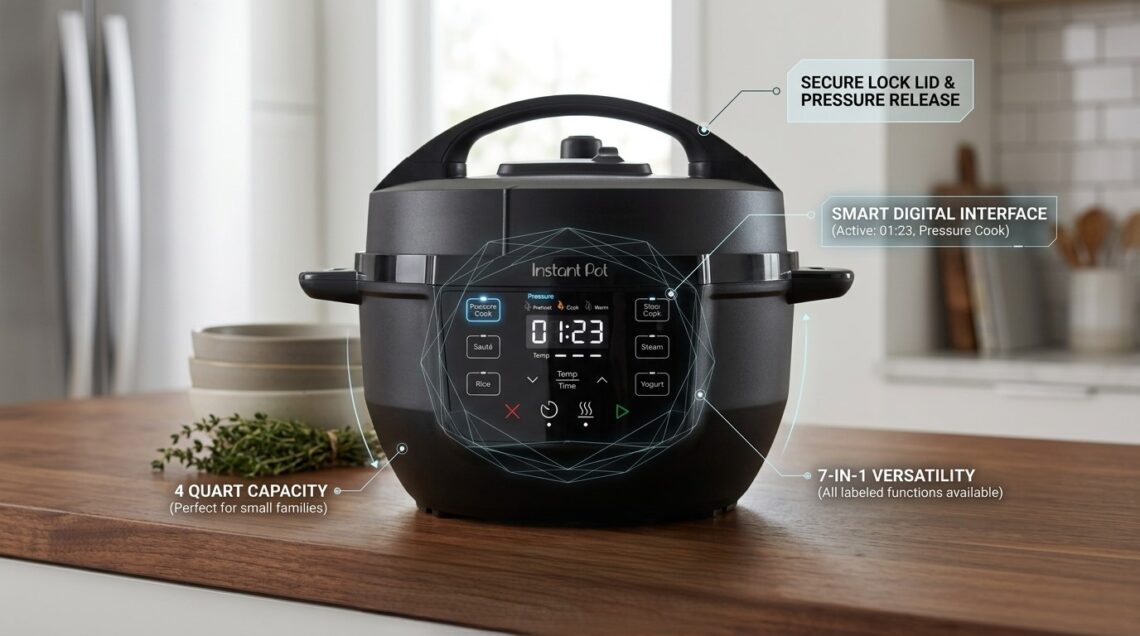
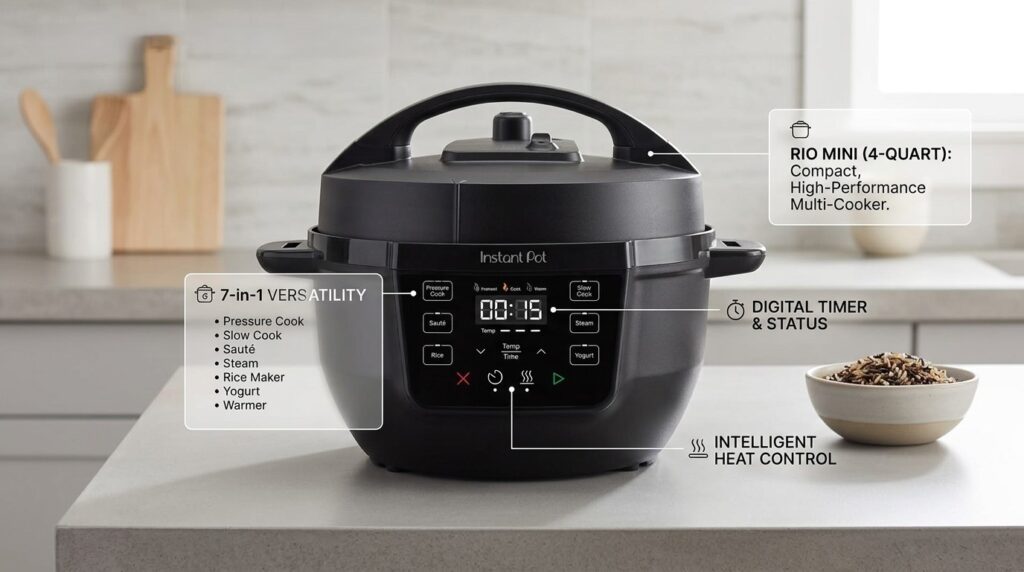
The term “7-in-1” refers to the different cooking modes this appliance can perform. Rather than viewing these as seven separate products, it’s more helpful to think of them as different cooking methods accessed through a single device. Understanding what each function actually does can help determine whether the appliance aligns with your cooking style.
Pressure Cooking Mode
Pressure cooking uses steam and heat under pressure to cook food significantly faster than conventional methods. This mode is probably the most dramatic function many people encounter, as it can reduce cooking times substantially. For example, dried beans that might take 90 minutes in a traditional pot could be ready in 20-25 minutes under pressure. The mechanics work through trapping steam, which increases internal pressure and raises the boiling point of water, allowing food to cook at higher temperatures more efficiently.
Slow Cook Function
The slow cook setting operates as a traditional slow cooker would. This method cooks food at lower temperatures over extended periods, ranging from a few hours to an entire day. This function appeals to people who prefer to set their meal cooking in the morning and have it ready for dinner, or who appreciate the flavor development that extended low-temperature cooking can provide.
Sauté Capability
The sauté function allows you to brown ingredients directly in the cooking pot without needing a separate pan. This can be useful for developing flavor through caramelization or creating a base layer for stews and braises. The ability to do this within the same vessel you’ll use for the remainder of cooking can streamline workflow and reduce cleanup.
Steam Cooking
Steaming is a gentle cooking method that preserves nutrients and doesn’t require liquid to be absorbed into the food. The steaming function typically uses a rack or basket to keep food above water level while steam cooks it from below.
Rice Cooker Mode
This function is specifically calibrated for cooking rice, automating the process and theoretically producing consistent results without requiring active monitoring.
Yogurt Function
The yogurt setting maintains consistent low temperatures needed for culturing yogurt. This involves holding the milk at specific temperatures for an extended period to allow beneficial bacteria to develop.
Warmer/Keep Warm Mode
This setting holds food at a safe temperature after cooking is complete, useful when meals aren’t being served immediately.
Physical Specifications and Design Considerations
The “4QT” designation refers to the internal pot capacity of 4 quarts (roughly 3.8 liters). Understanding size implications matters because it affects what recipes are practical to prepare and how much counter or storage space the appliance requires.
A 4-quart capacity sits in a middle range. It’s smaller than full-sized multi-cookers that might be 6 or 8 quarts, but larger than mini versions that might be 2-3 quarts. This means the appliance can handle recipes for a small family or provide leftovers, but it’s not ideal for batch cooking large quantities or feeding large gatherings.
The “Mini” designation in the product name is important context. It indicates this is a more compact version compared to standard Instant Pot models. The physical footprint is generally smaller, which appeals to people with limited counter space or those living in smaller kitchens. However, the reduced size also means the overall capacity is smaller than larger alternatives.
The black finish is a straightforward aesthetic choice. It’s practical for hiding stains and fits many kitchen color schemes, though it can show fingerprints more readily than stainless steel.
Practical Applications and Cooking Scenarios
Understanding how this appliance actually integrates into real cooking involves thinking through actual meal scenarios rather than abstract capabilities.
Weeknight Dinner Solutions
For individuals managing busy schedules, the pressure cooking function can be particularly relevant. A chicken and vegetable meal that might require 45 minutes of cooking time through conventional methods could be completed in roughly 15-20 minutes, accounting for the time it takes for the pot to build and release pressure. This doesn’t eliminate cooking time entirely, but it does meaningfully reduce the duration between deciding to cook and having food on the table.
Batch Cooking and Meal Preparation
Some people use pressure cookers as part of a meal prep strategy, cooking large batches of proteins or components that can be incorporated into various meals throughout the week. Dried beans, tough cuts of meat, or grains can be prepared efficiently and stored for later use.
Slow Cooker Flexibility
Households that have used slow cookers might appreciate having that functionality without maintaining a separate appliance. For meals where low-and-slow cooking is preferred—such as pulled pork, beef stew, or bone broth—the slow cook mode provides this option.
Cooking Method Variety
Some meal preparations benefit from multiple cooking techniques. For instance, making a stew might involve sautéing aromatics and meat first, then pressure cooking everything together. With separate appliances, you’d typically brown ingredients in a skillet and transfer them to a slow cooker or pressure cooker. With a multi-cooker, these steps happen in the same vessel.
Who Might Find This Appliance Useful
Various living situations and cooking preferences make a multi-cooker more or less practical.
Space-Conscious Kitchens
Apartments, small homes, or kitchens where counter space is limited make single multi-functional appliances appealing. Replacing three separate devices (slow cooker, pressure cooker, rice cooker) with one unit frees up storage space and reduces clutter.
People Cooking for Small Households
The 4-quart size works well for cooking for one or two people, with room for modest leftovers. Larger households with six or more members might find this capacity limiting for single-batch meals.
Home Cooks Exploring Pressure Cooking
People curious about pressure cooking but uncertain whether it fits their cooking style might appreciate having pressure cooking as one option among many rather than committing to a single-purpose appliance.
Those With Varied Cooking Preferences
A household where some members prefer slow-cooked meals while others want quick weeknight dinners could potentially use a multi-cooker to accommodate both approaches without debate.
Meal Prep Enthusiasts
People who dedicate specific days to preparing components for the week ahead might use this appliance to cook proteins, grains, or legumes in bulk.
Important Considerations Before Purchase
Evaluating whether this appliance suits your situation requires honest assessment of some practical factors.
Learning Curve
Multi-cookers require understanding how to use multiple functions safely and effectively. Pressure cookers in particular involve learning about pressure release methods, timing, and liquid ratios. This isn’t necessarily a barrier—many people find this straightforward—but it’s not an appliance you can simply use without any learning process.
Capacity Limitations
A 4-quart capacity isn’t infinite. Recipes that yield large quantities might require splitting into multiple batches. For a family of six planning batch cooking, a larger capacity model might be more practical.
Space During Operation
While the appliance itself is compact, it still requires counter space for operation, ventilation (steam will be released during cooking), and potentially space for it to cool before storage. It’s not a practical solution if your kitchen lacks any available counter space.
Recipe Adaptation
Traditional recipes may not translate directly into multi-cooker versions without modification. Adjusting liquid ratios, cooking times, and techniques requires some experimentation or consulting multi-cooker-specific recipes. Some cooking approaches simply don’t translate well to pressure cooking.
Learning Your Specific Unit
Each multi-cooker brand and model can have slightly different pressure levels, heating patterns, and quirks. Even if you’ve used pressure cookers before, this specific model will have its own characteristics that require a familiarization period.
Maintenance and Storage
The sealing ring, pressure release valve, and other components require regular cleaning and occasional replacement. Understanding maintenance requirements is part of responsible ownership.
How the RIO Mini Compares to Other Cooking Approaches
Rather than making claims about superiority, it’s useful to understand how this approach fits within the broader landscape of cooking appliances and methods.
Versus Dedicated Slow Cookers
A dedicated slow cooker is a simpler device with fewer functions and usually lower learning barrier. It takes up similar counter space but offers only one cooking method. If slow cooking is the primary use, a dedicated slow cooker might be sufficient and potentially more intuitive.
Versus Traditional Pressure Cookers
Stovetop pressure cookers are typically less expensive and don’t require electricity, making them practical in certain situations. However, they require active monitoring and hands-on pressure release management. Electric pressure cookers eliminate some of these requirements but are typically a single-function device.
Versus Full-Size Instant Pots
Larger Instant Pot models offer greater capacity, which matters if you’re cooking for larger households or doing substantial batch cooking. They take up more space and cost more but provide more versatility in portion sizes.
Versus Individual Cooking Methods
Sautéing, steaming, and cooking rice all remain achievable through conventional cooking approaches—stovetop pans, steamers, and rice cookers respectively. A multi-cooker consolidates these into one device but doesn’t fundamentally change the results of these cooking methods in most cases.
Frequently Asked Questions
How long does it take to cook something in pressure mode?
Actual cooking time varies significantly based on what you’re preparing. However, an important distinction exists between cooking time and total time. The pot needs time to build pressure (5-15 minutes depending on what’s inside), then the actual cooking occurs, then pressure must be released (either naturally or manually). Total time from starting the process to having food ready might be 30-50 minutes for something listed as cooking for 15 minutes.
Do I need to use liquid for pressure cooking?
Pressure cooking requires liquid to generate steam. Minimum liquid amounts vary by model and recipe, but typically at least some liquid is necessary. This is an important adjustment from conventional cooking where liquids are often optional.
Can I cook frozen food directly?
This depends on the food and recipe. Some frozen items can be cooked, though timing adjustments are necessary. Not all recipes work well with frozen ingredients, and starting with thawed ingredients often produces better results.
Is this safe to use?
Modern electric pressure cookers include multiple safety mechanisms designed to prevent dangerous situations. That said, any appliance that creates pressure requires respecting its design and using it according to instructions. Understanding how your specific model operates safely is important.
Can I use normal recipes in this appliance?
Not always without modification. Pressure cooking speeds up cooking but also affects liquid absorption and evaporation. Recipes designed for multi-cookers typically account for these differences, while converting a traditional recipe requires understanding these adjustments. Many people find multi-cooker-specific recipes more reliable when starting out.
How do I know when food is done?
The appliance alerts you through sound or indication when cooking time is complete. However, knowing whether food is actually finished cooking requires some knowledge of what you’re preparing. Some items may need additional cooking time beyond what a recipe specifies based on their size or starting temperature.
Can I leave it unattended during cooking?
Once pressure cooking is complete and pressure has been released, yes. The appliance is designed to handle the cooking process without your active involvement. However, during initial heating and pressure building, some people prefer to be nearby. This isn’t a requirement—it’s more about personal comfort.
What happens if I overfill it?
Overfilling can cause liquid to spray from the pressure valve or safety mechanisms to activate. Following recommended maximum fill levels is important for safe operation.
How long do replacement parts last?
The sealing ring (gasket) is a consumable item that eventually needs replacement after significant use. Other components generally last many years with proper care. The frequency of gasket replacement depends on how often you use the appliance and what you cook in it.
Maintenance and Long-Term Considerations
Keeping a multi-cooker functioning well involves some basic maintenance practices.
The sealing ring requires regular cleaning and will eventually deteriorate and need replacement. This is a relatively inexpensive replacement but something to plan for.
The pressure release valve and other vents should be kept clear of mineral deposits or food debris, which can affect performance. Regular cleaning according to the manufacturer’s instructions matters.
The pot itself should be hand-washed rather than placed in a dishwasher, as extreme heat and certain detergents can damage it.
Beyond maintenance, thinking through how often you’d realistically use each function helps justify the investment. If the rice cooking or yogurt functions will never actually be used, having them available doesn’t add much value. Conversely, if multiple cooking methods genuinely fit your routine, consolidating them into one appliance offers practical benefits.
The Practical Reality of Multi-Cookers
Understanding what a multi-cooker actually does and doesn’t do helps set realistic expectations. It’s not a device that eliminates the need for cooking knowledge or eliminates cooking time entirely. It’s a tool that accomplishes certain cooking tasks efficiently and offers convenience through consolidation.
Some recipes work beautifully in this appliance. Others don’t translate well and are better suited to conventional cooking methods. Some meals benefit from the speed of pressure cooking. Others genuinely do taste better when prepared through slow, traditional methods.
The most successful users typically approach a multi-cooker as an additional tool to add to their cooking arsenal rather than a replacement for all other cooking methods. It’s most useful for people who appreciate the specific cooking methods it offers and have situations where those methods fit their actual cooking patterns.
Making the Decision
Determining whether this specific model aligns with your needs involves honestly assessing your kitchen situation, cooking habits, and what problems you’re hoping to solve.
If you’re looking for faster cooking times for certain meals, have limited counter space, and appreciate having cooking flexibility, this appliance may offer practical value. If you rarely cook at home, have ample space for individual appliances, or find the learning curve potentially frustrating, it might not be the right fit.
Looking at how you actually cook—not how you aspire to cook—provides the most useful perspective. Someone who plans to do extensive batch cooking should verify that a 4-quart capacity meets their needs. Someone with a small kitchen should measure their available space and compare it to the appliance’s dimensions.
Reading through user experiences and multi-cooker-specific recipes before deciding can also provide insight into whether the actual process of using this appliance matches your expectations.
Conclusion
The Instant Pot 4QT RIO Mini multi-cooker represents a practical approach to consolidated kitchen cooking. It offers pressure cooking, slow cooking, sautéing, steaming, rice cooking, yogurt making, and warming functions in a compact design. Whether it’s genuinely useful depends on your specific kitchen situation, cooking habits, and which of these functions align with your actual meal preparation patterns.
This isn’t an appliance that works well for everyone, nor is it a kitchen essential everyone needs to own. It’s a specialized tool that solves certain problems efficiently. For people in the situations where it’s designed to help—compact kitchens, specific cooking preferences, desire for cooking speed with particular meals—it can offer meaningful convenience.
Taking time to honestly evaluate your cooking situation and learning about how multi-cookers actually function in practice helps ensure that any appliance investment aligns with your real needs rather than idealized versions of how you might cook.